
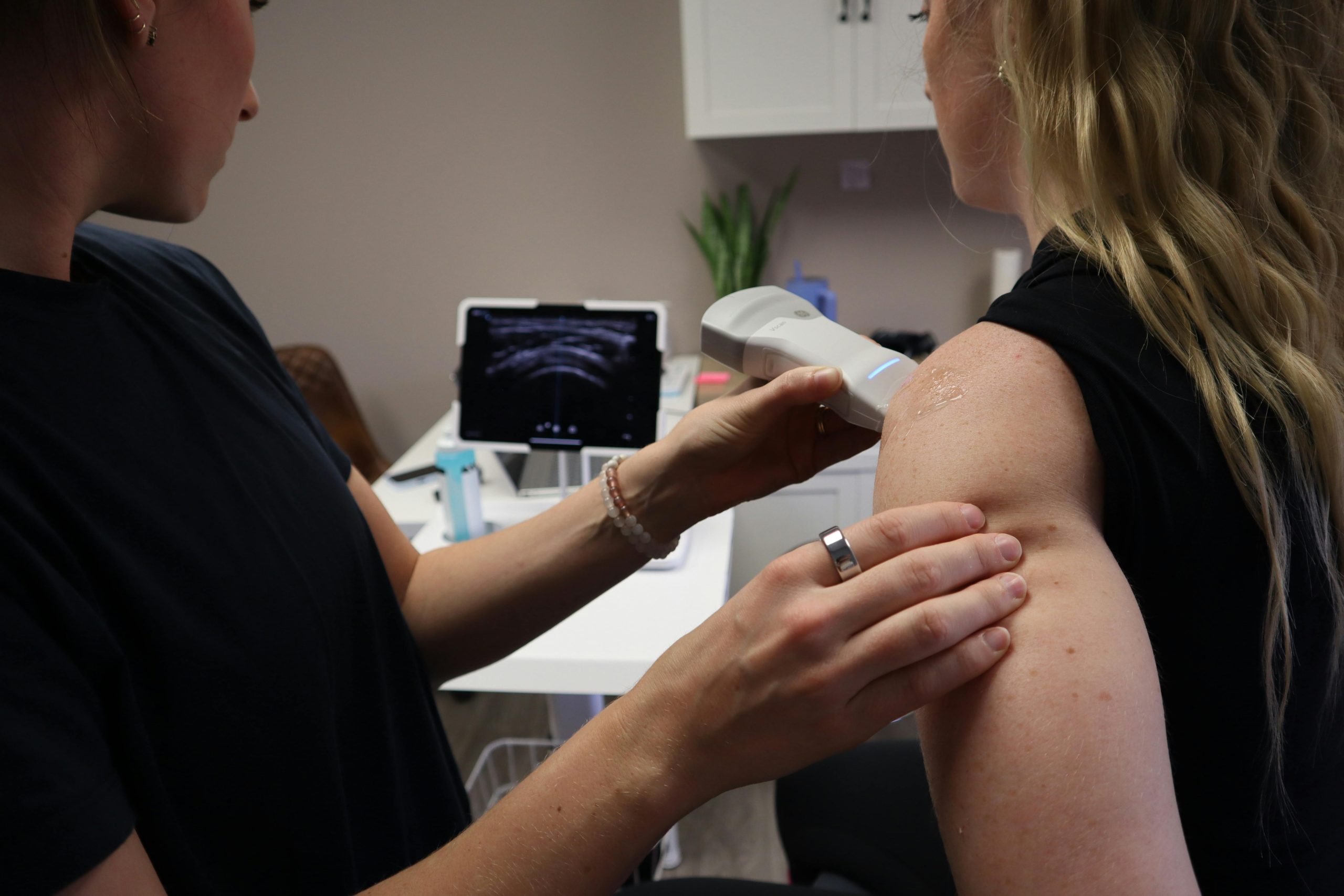
Shoulder pain is one of the most common musculoskeletal complaints, and rotator cuff injuries are a frequent cause. Whether from repetitive use, aging, or acute injury, rotator cuff tears can significantly affect daily function and quality of life. This article provides a clear overview of rotator cuff anatomy, types of tears, and the range of treatment options—including where regenerative therapies may fit into care plans.
What Is the Rotator Cuff?
The rotator cuff is a group of four muscles and their tendons that stabilize the shoulder joint and allow for smooth, controlled movement. These muscles include:
- Supraspinatus – assists with lifting the arm
- Infraspinatus – helps with external rotation
- Teres minor – supports external rotation
- Subscapularis – responsible for internal rotation
Together, these structures keep the head of the humerus (upper arm bone) centered in the shoulder socket while enabling a wide range of motion.
What Is a Rotator Cuff Tear?
A rotator cuff tear occurs when one or more of these tendons become damaged or detached from the bone. Tears can develop gradually due to degeneration or occur suddenly from trauma such as a fall or lifting injury.
Common Symptoms:
- Shoulder pain, especially with overhead activity
- Weakness when lifting or rotating the arm
- Difficulty sleeping on the affected side
- Limited range of motion
Types of Rotator Cuff Tears:
Rotator cuff tears are typically classified based on severity and structure:
1) Partial-Thickness Tears
These involve damage to the tendon without a complete rupture. The tendon remains partially intact but may be inflamed or frayed.
2) Full-Thickness Tears
Also known as complete tears, these occur when the tendon is fully detached from the bone. This can lead to more significant weakness and functional limitation.
3. Acute vs. Degenerative Tears
- Acute tears result from a sudden injury
- Degenerative tears develop over time due to repetitive stress, reduced blood supply, and age-related changes
Understanding the type and extent of the tear is important for guiding treatment decisions.
Diagnosis
Diagnosis typically involves a combination of clinical evaluation and imaging. A healthcare provider may assess strength, range of motion, and pain patterns. Imaging such as ultrasound or MRI can help confirm the presence and severity of a tear.
Treatment Options
Treatment depends on several factors, including the size of the tear, symptom severity, activity level, and patient goals.
Conservative Care
Many rotator cuff injuries can initially be managed without surgery:
- Activity modification
- Physical therapy to improve strength and mobility
- Anti-inflammatory strategies
- Corticosteroid injections (in select cases)
These approaches aim to reduce pain and improve function, particularly in partial tears or less severe cases.
Surgical Intervention
Surgery may be considered for:
- Large or full-thickness tears
- Persistent pain despite conservative care
- Significant weakness or loss of function
Procedures often involve reattaching the tendon to the bone and may be performed arthroscopically.
The Role of Regenerative Therapies
Regenerative medicine is an evolving area of care that focuses on supporting the body’s natural healing processes. In the context of rotator cuff injuries, treatments such as platelet-rich plasma (PRP) are sometimes considered as part of a comprehensive, non-surgical approach.
PRP involves concentrating a patient’s own platelets and delivering them to the area of concern under image guidance. Platelets contain growth factors that are being studied for their potential role in tissue repair.
A recent peer-reviewed review published in the National Library of Medicine further highlights the growing body of evidence supporting biologic and regenerative approaches, including platelet-based therapies, as part of the treatment landscape for rotator cuff pathology and tendon healing
While some patients report improvement in pain and function following these treatments, outcomes can vary. Current research is ongoing, and regenerative therapies are generally considered on a case-by-case basis, often in conjunction with rehabilitation.
It is important for patients to have a detailed discussion with their provider about potential benefits, limitations, and whether they are an appropriate candidate.
When to Seek Care
If shoulder pain persists, worsens, or limits your daily activities, it may be time to seek evaluation. Early assessment can help identify the cause and guide appropriate treatment before the condition progresses.
Final Thoughts
Rotator cuff tears are a common but manageable source of shoulder pain. With a range of treatment options available, from conservative care to surgical and emerging regenerative approaches, most patients can find a path that aligns with their goals and lifestyle.
At RegenRx, our focus is on personalized care plans that consider both traditional and regenerative options, helping patients make informed decisions about their health.
This content is for educational purposes only and should not be considered medical advice. Treatment decisions should be made in consultation with a qualified healthcare provider.
Learn More About Your Options
Have questions or want to learn more about our treatments? We’re here to help. Contact our team today to discuss your options, schedule a consultation, or get answers to any concerns you may have. We look forward to guiding you on your journey to better wellness.
Written By: Ritu Patel, FNP-BC
Expert in Regenerative & Restorative Medicine