
Golfer’s Elbow: Causes, Symptoms and Management

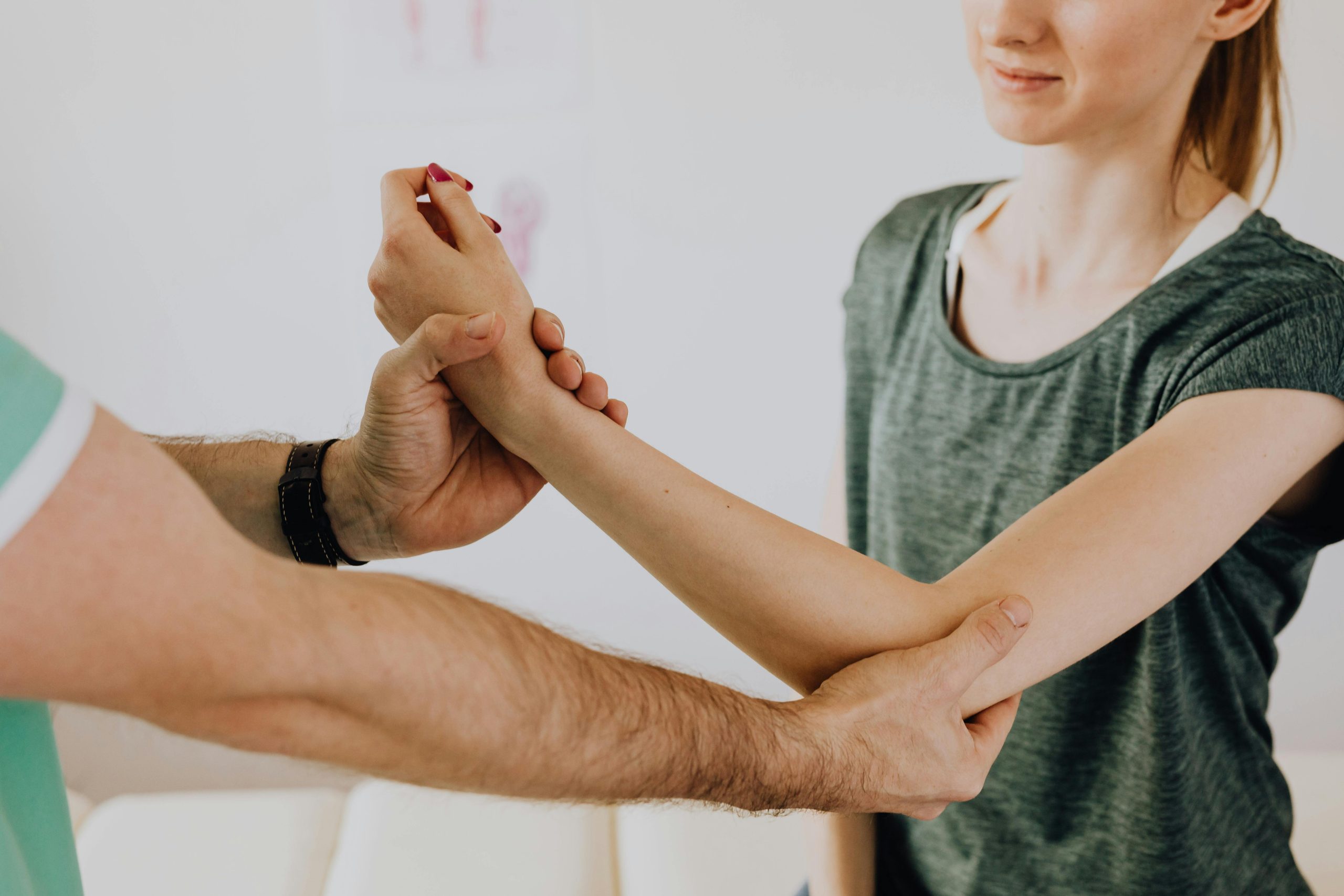
Provider evaluating a patient’s elbow and wrist mobility during an upper extremity examination for elbow pain or overuse injury.

Golfer’s elbow, medically known as medial epicondylitis, is a common overuse injury that affects the tendons on the inside of the elbow. Despite the name, you do not have to play golf to develop golfer’s elbow. This condition can affect anyone who performs repetitive gripping, lifting, twisting, or wrist-flexion movements.

At RegenRx, we commonly see golfer’s elbow in athletes, fitness enthusiasts, manual laborers, and even individuals with desk jobs who perform repetitive hand and wrist activities.

What Is Golfer’s Elbow?

Golfer’s elbow occurs when the tendons that attach to the medial epicondyle (the bony bump on the inside of the elbow) become irritated or overloaded. These tendons help control wrist flexion and gripping movements.

Over time, repetitive stress can lead to:

  • Tendon irritation
  • Microtearing
  • Degenerative tendon changes
  • Pain and reduced function

Golfer’s elbow is similar to tennis elbow, but it affects the inside of the elbow rather than the outside.

Common Causes of Golfer’s Elbow

Golfer’s elbow is usually caused by repetitive strain rather than a single injury.

Common contributing activities include:

  • Golf swings
  • Weightlifting
  • Throwing sports
  • Racquet sports
  • Repetitive gripping
  • Heavy lifting
  • Typing or mouse overuse
  • Construction or manual labor work

Poor movement mechanics, muscle imbalances, and overtraining can also increase the risk.

Symptoms of Golfer’s Elbow

Symptoms can develop gradually and may worsen over time if not addressed.

Common symptoms include:

  • Pain or tenderness on the inside of the elbow
  • Weak grip strength
  • Pain with wrist flexion or gripping
  • Stiffness in the elbow
  • Discomfort when lifting objects
  • Pain during sports or repetitive arm movements
  • Occasional numbness or tingling into the ring and pinky fingers

Some individuals notice pain only during activity, while others may experience discomfort during daily tasks.

How Is Golfer’s Elbow Diagnosed?

Diagnosis typically begins with a detailed history and physical examination.

A provider may evaluate:

  • Tenderness along the medial elbow
  • Grip strength
  • Wrist and forearm movement
  • Pain with resisted wrist flexion
  • Functional movement patterns

In some cases, imaging may be recommended to evaluate the tendon and surrounding structures.

Diagnostic tools may include:

  • Ultrasound imaging
  • X-rays
  • MRI

Imaging can help assess tendon health and rule out other conditions such as ligament injuries, arthritis, or nerve entrapment.

Management and Supportive Care Options for Golfer’s Elbow

Management approaches for golfer’s elbow vary depending on symptom severity, activity level, and individual goals. Many cases improve with conservative care and modifications to daily activities.

Common approaches that may be considered include:

Rest and Activity Modification

Reducing repetitive stress on the tendon can help calm irritation and allow healing.

Physical Therapy

Rehabilitation exercises may focus on:

  • Forearm strengthening
  • Mobility work
  • Eccentric tendon loading
  • Grip mechanics
  • Shoulder and scapular stability

Bracing or Supportive Devices

Counterforce braces or wrist supports may help reduce stress on the affected tendon during activity.

Anti-Inflammatory Measures

Ice, topical treatments, and other conservative therapies may help manage discomfort during flare-ups.

Shockwave Therapy

Extracorporeal shockwave therapy (ESWT) is sometimes used as a non-surgical option to support tendon health and recovery.

Injection-Based Options

In certain cases, regenerative medicine approaches may be considered as part of a comprehensive treatment plan. Options that are sometimes discussed include:

  • Steroids
  • Platelet-Rich Plasma (PRP)
  • Exosomes
  • Umbilical tissue-based products

Candidacy varies from patient to patient.

Surgical Intervention

For chronic cases that do not respond to conservative management, surgery may occasionally be considered.

When Should You Seek Evaluation?

If elbow pain has persisted for several weeks, continues to worsen, or is limiting your daily activities, it may be time for an evaluation.

Early assessment can help identify contributing factors and guide a personalized treatment plan before symptoms become more severe.

Final Thoughts

Golfer’s elbow is a common overuse condition that can impact work, sports, fitness, and everyday function. Fortunately, many individuals improve with proper diagnosis, activity modification, and a structured treatment approach.

At RegenRx, we focus on comprehensive musculoskeletal evaluations and individualized care plans designed to help patients stay active and moving comfortably.

Learn More About Your Options

Have questions or want to learn more about our treatments? We’re here to help. Contact our team today to discuss your options, schedule a consultation, or get answers to any concerns you may have. We look forward to guiding you on your journey to better wellness.


Picture of  Written By: Ritu Patel, FNP-BC

Written By: Ritu Patel, FNP-BC

Expert in Regenerative & Restorative Medicine

Share the Post:

Stop Masking the Pain. Start Rebuilding.

Ready to start your recovery? Fill out the form below and our care team will reach out to schedule your consultation.

For immediate booking, give us a call at 303-630-9770 to secure your spot today!


Prefer to book right away? Click below to manage your own consultation or appointment.